

Choosing the right fence is more than a design decision, it’s a security decision.
With crime levels rising, unpredictable weather, and coastal conditions that can destroy the wrong materials, homeowners and businesses have to think carefully about what they put around their property.
The good news is that there’s no shortage of options. The challenge is knowing which one fits your needs.
Below is a straightforward look at the most common types of fences used on residential and commercial properties, why people choose them, and where each option makes the most sense.
Need Fencing Services?
Fill the form below and an expert technician will be in touch shortly.
1. Clear View Fencing
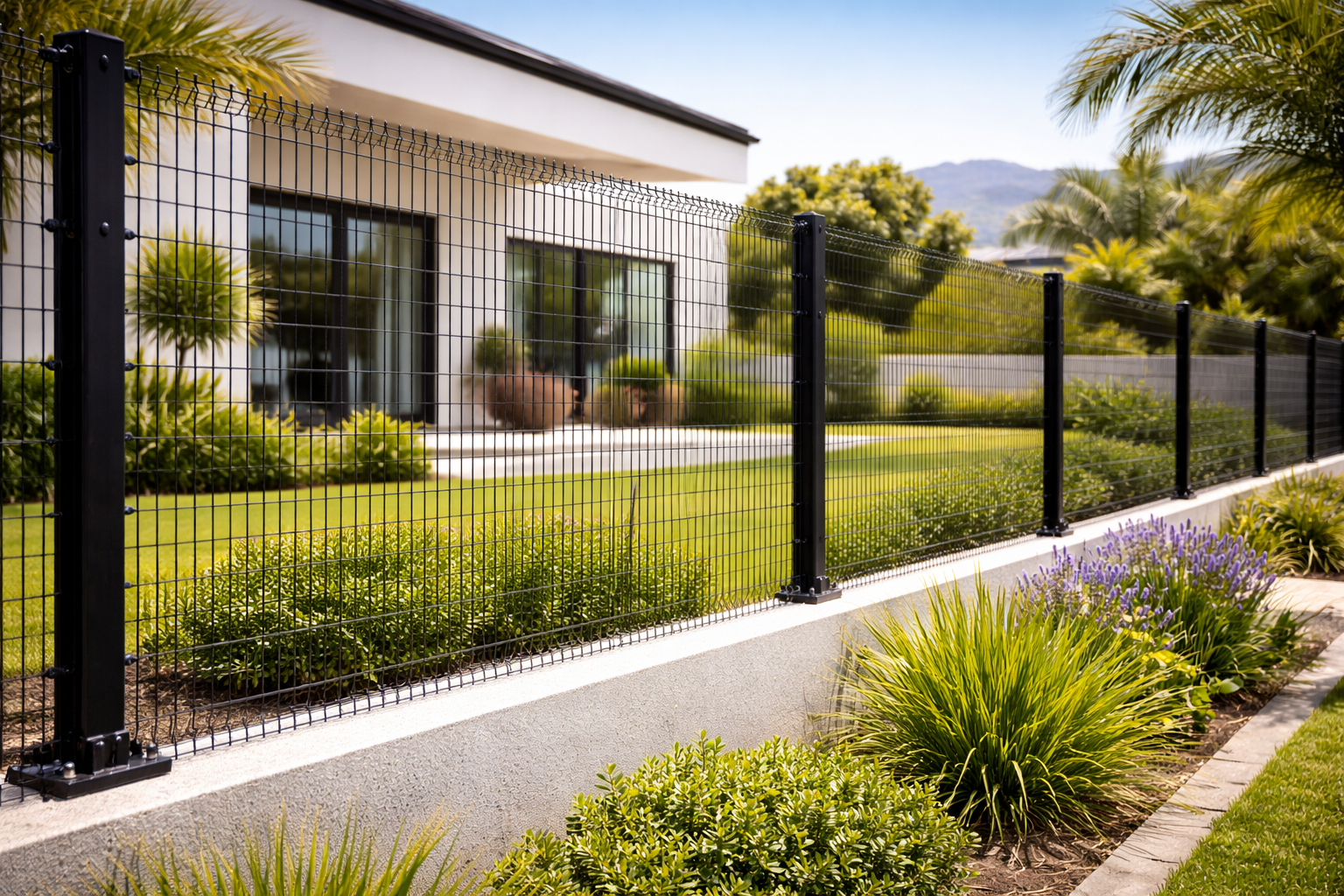
Clear View fencing, sometimes referred to as clearview fencing, has become one of the most sought-after choices in newer suburbs, estates, and commercial spaces across Cape Town and surrounding areas.
The design is clean, modern, and surprisingly tough. Because the mesh is so narrow, it’s incredibly difficult to cut, pry, or climb. That alone makes it one of the best fencing options for security.
Another advantage is visibility, nothing blocks the line of sight, which means CCTV cameras perform much better. It’s also easier for homeowners to see outside their yard, which many people prefer for early awareness and peace of mind.
Why people choose Clear View fencing:
-
Strong anti-cut, anti-climb design
-
Works well with CCTV
-
Low maintenance
-
Doesn’t block light or views
-
Durable when coated for coastal climates
If you want a modern, secure option with long-term value, Clear View is usually the frontrunner.
If you’re unsure whether Clear View fencing is the right fit for your property, Ultimate Fencing can assess your site and advise on the most suitable option based on layout and exposure.
Need Fencing Services?
Fill the form below and an expert technician will be in touch shortly.
2. Palisade Fencing
Palisade fencing remains one of the most trusted security barriers. It’s familiar, effective, and instantly communicates that a property is protected. When made from good-quality steel, palisade is strong, durable, and capable of resisting forced entry.
One of its biggest advantages is visibility. You can see everything happening outside your boundary, which many homeowners appreciate, especially in areas where suspicious behaviour outside the gate is a real concern.
What to know:
-
Strong visual deterrent
-
Customisable heights and designs
-
Doesn’t offer privacy
-
Needs proper galvanising near coastal areas
Palisade is a reliable, mid-range security option that has stood the test of time.
3. Electric Fencing
Electric fencing is often the deciding factor between a secure home and a vulnerable one. It works well as an add-on to walls, Clear View, or clearview fencing installations where visibility and perimeter security need to work together. The fence delivers a non-lethal shock and triggers an alarm the moment someone tampers with the wires, which is exactly the kind of early warning system most households want.
Load shedding isn’t a deal-breaker either. Modern electric fences run on backup batteries that keep the system going even when the power is out.
Why it’s popular:
-
Excellent deterrent
-
Immediate alarms for tampering
-
Compatible with almost any boundary type
-
Works through load shedding with backup batteries
If your main concern is stopping intruders before they reach your home, electric fencing is one of the strongest layers you can add.
Ultimate Fencing installs and services electric fencing systems across Cape Town and surrounding areas, ensuring correct setup and reliable performance during power outages.
Need Fencing Services?
Fill the form below and an expert technician will be in touch shortly.
4. Standard Steel Fencing
Standard steel fencing is a practical, affordable way to secure or divide a property. It’s sturdier than wire fencing and more budget-friendly than Clear View or palisade. When galvanised or powder-coated, it handles rain and sun very well.
This type of fencing is usually chosen for boundary marking, gardens, pool areas, or parking spaces. It offers moderate security but is not designed to stop determined intruders unless reinforced.
5. Wire Fencing
Wire fencing is common on farms, smallholdings, and larger plots. It’s quick to install, inexpensive, and ideal for keeping animals in or out. For residential homes, it doesn’t offer enough protection on its own, but for agricultural use, it’s perfectly adequate.
Those who want extra security usually add electric strands above or along the wire.
6. Vibracrete Walls
Vibracrete is popular because it offers privacy and is generally cheaper than building a full brick wall. Many homes still use vibracrete as their main boundary wall, often topped with electric fencing for added security.
Older vibracrete walls can weaken over time, especially in windy or coastal areas. Reinforcing them with steel posts or replacing damaged panels makes a noticeable difference.
Conclusion
A fence isn’t just a boundary line, it’s part of how you protect your home, your family, and your peace of mind. Choosing the right fencing type can make a real difference when security, durability, and long-term maintenance are considered together.
If you’re unsure which fencing type is the right fit for your property, Ultimate Fencing can carry out a practical property assessment and help you make a confident decision.
Need Fencing Services?
Fill the form below and an expert technician will be in touch shortly.